Essential Plumbing Services Every Homeowner Should Understand
Property owners frequently neglect the significance of essential plumbing services. Standard issues like leaks, clogs, and water heater failures can disrupt daily life. Understanding routine maintenance tasks can prevent costly repairs. Furthermore, knowing how to pick a reliable plumber can make all the difference. Without proper attention, plumbing issues can intensify quickly. What are the key services every homeowner should prioritize to sustain a functional plumbing system?
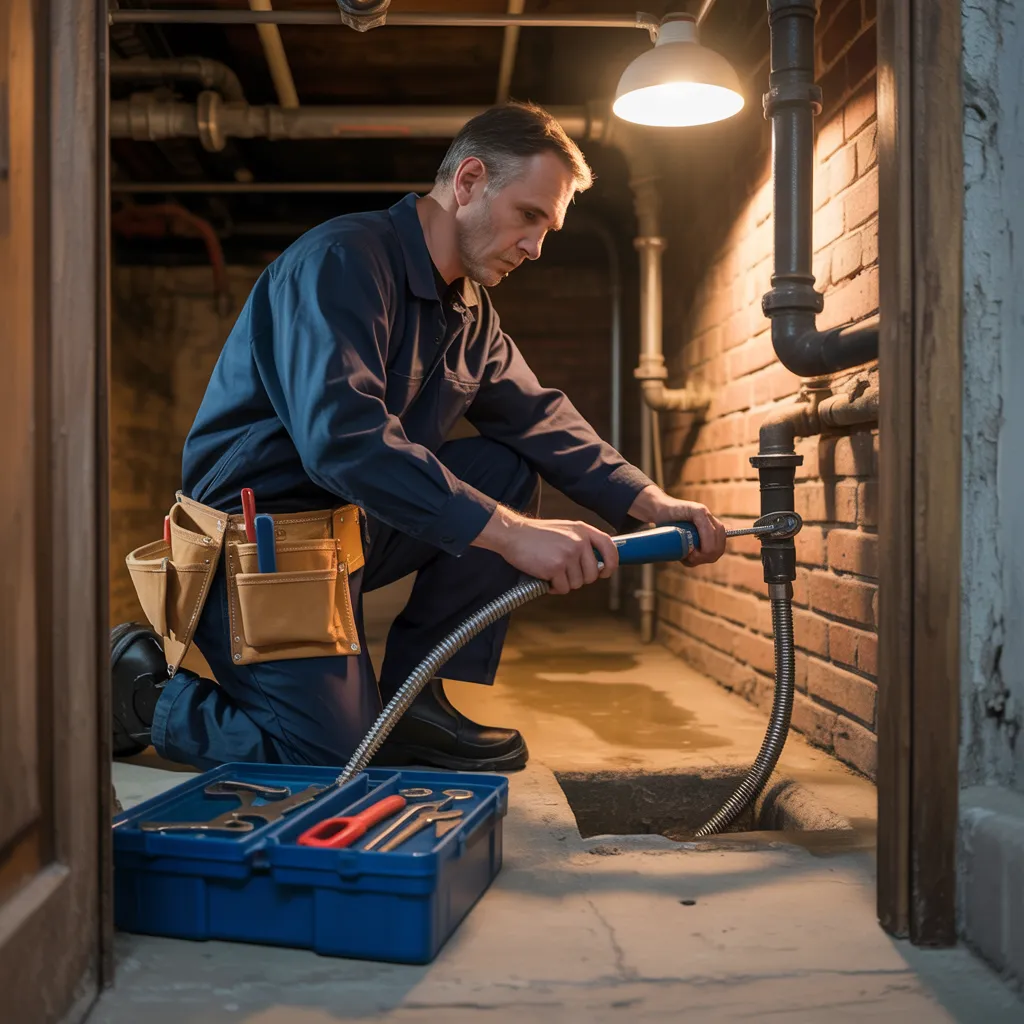
Frequent Plumbing Challenges for Homeowners
What are the most common plumbing problems homeowners deal with? Common concerns include leaking pipes, which can create water damage and mold growth if not resolved immediately. Obstructed drains present considerable challenges, often caused by the accumulation of debris, grease, or foreign objects. Residents can face low water pressure, which can signal larger issues within the plumbing system, including pipe blockages or leaks. Moreover, malfunctioning water heaters can interfere with daily life, causing trouble and unease. Toilets are another typical area of difficulty, with problems such as frequent clogs or running water that can drain finances and water supplies. In conclusion, homeowners may be confronted with sewer line issues, which can result in unpleasant odors and potential health hazards. Understanding these frequent plumbing concerns is crucial for homeowners to pursue preventative measures and secure professional services when necessary.
Important Regular Plumbing Maintenance Tasks Every Home Owner Needs to Know
Regular plumbing maintenance is essential for homeowners to prevent expensive fixes and guarantee a efficiently running system. One key task is to inspect for leaks in open pipes and fixtures, as even minor leaks can lead to major water waste and damage. Homeowners should also inspect their water heater for any signs of corrosion or sediment deposit, which can impact its efficiency. Moreover, testing water pressure verifies that the plumbing system runs within safe limits, stopping strain on pipes.
Maintaining faucet aerators and showerheads on a regular basis can help maintain optimal water flow. Homeowners should flush their toilets to check for silent leaks and assess the flapper's condition. Finally, verifying that all drains are devoid of debris will help prevent blockages. By implementing these routine maintenance tasks, homeowners can increase the lifespan of their plumbing systems and enhance overall efficiency.
Why You Need Drain Cleaning Services
Maintaining unobstructed drains is a vital aspect of complete plumbing health, alongside the routine tasks homeowners already perform. Routine drain cleaning services play a vital role in stopping clogs and backups that can cause expensive repairs. Collected debris, grease, and mineral deposits can block drainage, reducing the efficiency of plumbing systems.
Routine drain cleaning not only boosts the operation of sinks, showers, and toilets but also prolongs the lifespan of plumbing fixtures. By resolving potential issues early, homeowners can avoid emergencies that disrupt day-to-day activities. Furthermore, clean drains contribute to a healthier living environment by reducing foul odors and the risk of mold growth associated with stagnant water.
Putting money into professional drain cleaning services guarantees a thorough approach, using specialized equipment and techniques to clear stubborn blockages. This proactive measure ultimately saves time, money, and stress, emphasizing the importance of maintaining clear drains in every household.
Selecting a Dependable Plumber
How might homeowners ensure they find a trustworthy plumber amidst a sea of options? One successful approach is to ask for recommendations from relatives, friends, or community members who have recently used plumbing services. Internet ratings and reviews on platforms like Google or Yelp can also offer insight into a plumber's reputation. It is important to validate that the plumber is licensed and insured, ensuring they meet regional regulations and can cover any potential damages. Homeowners should obtain multiple quotes to compare pricing and services offered, as this can help establish fair rates. Requesting information on warranties on labor and parts can further shield the homeowner's investment. Lastly, an initial consultation can reveal a plumber's communication abilities and professionalism, which are critical for a successful working relationship. By following these guidelines, homeowners can make informed decisions and choose a plumber who is competent and reliable.
What You Must Learn About Emergency Plumbing Services?
When faced with a sudden plumbing disaster, being aware of the essentials of emergency plumbing services can make all the difference. Homeowners should be aware that emergency plumbing typically involves pressing issues, such as severe leaks, burst pipes, or sewage backups that can cause substantial damage if not handled quickly. Most plumbing companies deliver 24/7 services for these emergencies, but it's essential to confirm their availability and response times.
Moreover, homeowners should possess a list of trusted emergency plumbers and their contact information readily accessible. Knowledge of basic shut-off valves can also prevent further damage during a crisis. Before hiring a service, it is beneficial to question their qualifications, experience, and pricing structures, as costs can vary substantially. Being prepared for plumbing emergencies not only lessens damages but also offers peace of mind, ensuring that help is just a call away when unexpected issues happen.
Maintenance and Repair of Water Heaters
Water heaters are vital elements in every household, delivering convenience and comfort through hot water for multiple purposes. Routine upkeep of these appliances is crucial to ensure their longevity and efficiency. Homeowners should schedule annual inspections to detect potential issues such as sediment buildup, which can impact performance and result in costly repairs.
Additionally, inspecting the pressure relief valve is vital for safety, as a damaged valve can lead to dangerous situations. Regular flushing of the tank can help avoid mineral accumulation, increasing heating efficiency and lengthening the unit's lifespan.
When experiencing malfunction, it's crucial to understand that DIY repairs can worsen issues. Professional plumbers access resource contain the specialized experience to address concerns effectively, ensuring safe and proper repairs. By prioritizing water heater maintenance and repair, homeowners can experience reliable hot water service while avoiding surprise breakdowns and expenses.
Warning Signs You Need to Replace Your Plumbing System
A plumbing system's efficiency is essential for a home's overall functionality. Homeowners must remain alert to signs indicating a necessary upgrade to their plumbing system. Regular leaks, for example, indicate aging pipes that may require replacement. Additionally, low water pressure can suggest blockages or deteriorating infrastructure, while discolored or foul-smelling water often suggests contamination issues that need addressing. Slow-draining fixtures or persistent clogs may point to outdated plumbing that cannot handle modern demands. If a home is over 50 years old, it may still have old materials like lead or galvanized pipes, which pose health risks. Unusually high water bills can also indicate hidden leaks or inefficiencies in the system. Identifying these indicators can encourage timely upgrades, ensuring a safe and reliable plumbing system that meets today's standards and homeowner needs.
Cost-Effective Plumbing Repair Solutions for Homeowners
Given the potential costs connected to plumbing repairs, homeowners often seek cost-effective options to address their issues without diminishing quality. One viable choice is to obtain multiple quotes from different plumbing services, allowing homeowners to compare prices and services. Many companies provide discounts for first-time customers or referral bonuses, which can further reduce costs.
An alternative approach is to give priority to repairs according to urgency, tackling minor issues before they escalate into costly problems. Homeowners can also explore DIY solutions for simple repairs, such as unclogging drains or replacing faucet washers, which can greatly reduce labor costs.
Additionally, investing in regular maintenance can prevent more severe issues that require extensive repairs. Some plumbing companies present maintenance plans at a reduced rate, supplying consistent check-ups to help homeowners maintain their plumbing systems effectively. By exploring these alternatives, homeowners can find economical solutions adapted to their needs.
Popular Questions
How Can I Prevent Frozen Pipes in Winter?
To stop frozen pipes in cold weather, homeowners should cover exposed pipes, keep consistent indoor temperatures, enable faucets to drip slightly, and keep cabinet doors open to circulate warm air around plumbing fixtures.
Which Tools Are Required for Basic Plumbing Repairs?
To handle basic plumbing repairs, you'll need a pipe wrench, crescent wrench, plunger, basin wrench, screwdriver set, tape measure, utility knife, and plumber's putty. This toolkit allows homeowners to address common plumbing issues with confidence.
How Often Should I Inspect My Plumbing System?
You should examine the plumbing system at least once every year. Regular inspections help spot potential problems early, ensuring efficient operation and preventing costly repairs that could stem from hidden leaks or blockages.
What Are the Indicators of a Plumbing Leak?
Indications of a plumbing leak consist of water stains on walls or ceilings, moist or mildewed areas, an unexpected jump in water bills, and the sound of running water when all fixtures are turned off.
Is Using Chemical Drain Cleaners Safe?
Chemical drain cleaners pose potential risks; they might compromise pipes and produce dangerous vapors. It's wise to strictly observe the manufacturer's directions and think about more secure options, such as vinegar and baking soda, for effective, eco-friendly solutions.